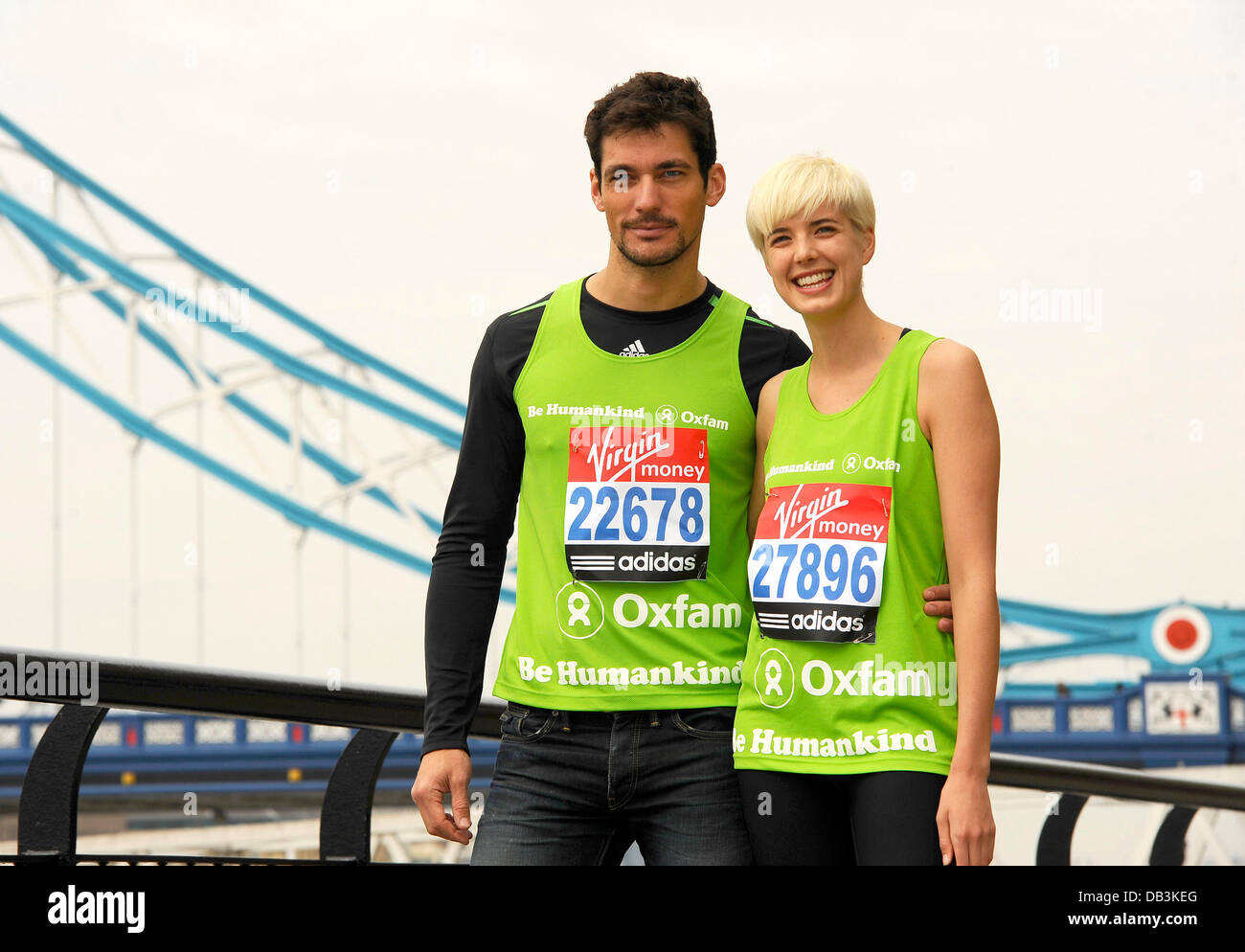
The London Marathon is no stranger to spectacle—but when Cynthia Erivo laced up beside a 7-foot inflatable Daddy Pig, the event transcended sport and became cultural theater. Their presence wasn’t just about visibility; it was about momentum—both on the pavement and in public conversation. While thousands pounded the streets of the capital, two figures stood out not for speed, but for significance: a Tony and Grammy-winning powerhouse and an anthropomorphic cartoon father in trousers. Together, they encapsulated the marathon’s unique blend of athleticism, entertainment, and emotional resonance.
Why Celebrity Participation Still Matters in Major Marathons
Major city marathons like London thrive on more than elite times. They rely on visibility, emotional storytelling, and broad public engagement. Celebrity runners—whether athletes, entertainers, or fictional avatars in costume—serve as human (and semi-human) bridges between the grueling reality of 26.2 miles and the general public’s imagination.
Cynthia Erivo’s participation was particularly resonant. Known for her powerhouse vocals and intense dramatic performances, she’s no stranger to endurance. But running a marathon demands a different kind of stamina—one rooted in physical commitment and mental grit. Her training regimen, shared in snippets across social media, revealed early morning runs before rehearsals, carb-loading strategies, and cross-training with resistance bands. This transparency demystified elite preparation and inspired fans to consider their own fitness journeys.
Daddy Pig, by contrast, brought whimsy. As a costumed character representing the Peppa Pig franchise, his run was symbolic—more about charity and family engagement than athletic performance. Yet his presence drew crowds, generated smiles, and reminded onlookers that marathons aren’t just for serious runners. They’re community events where joy and absurdity have space.
Cynthia Erivo: From Stage to Pavement
Cynthia Erivo didn’t run the London Marathon for fame. She ran with purpose: to support Blood Cancer UK, a cause deeply personal to her. Her advocacy work has long included health equity and awareness, and this marathon was a physical manifestation of that commitment.
What made her run compelling wasn’t just the charity angle—it was the authenticity. Unlike some celebrity appearances that feel transactional, Erivo trained for months. Reports from her team noted she logged over 300 miles in preparation, following a structured plan that included tempo runs, long-distance weekends, and recovery days. She even adjusted her vocal schedule to protect her energy and immune system—a subtle but crucial detail often overlooked by novice runners who overtrain while juggling careers.
Her pacing strategy was deliberate: start slow, maintain rhythm through mile 18, then dig deep. She crossed the finish line in 4 hours, 28 minutes—a strong time for a first-time marathoner with a demanding profession.
“It’s not about being the fastest,” Erivo said in a post-race interview. “It’s about showing up, even when it hurts. That’s what fighting for others sometimes looks like.”
Her run became a case study in disciplined goal-setting. She treated the marathon like a performance: rehearsed, rehearsed, then delivered. For aspiring runners balancing ambition with real-world constraints, Erivo’s journey offers a blueprint.
Daddy Pig: The Unlikely Marathon Icon
At first glance, Daddy Pig running a marathon sounds like a PR stunt. But peel back the layers, and the symbolism runs deep. As the patriarch of the Peppa Pig universe, Daddy Pig represents the everyman—clumsy, well-meaning, occasionally out of shape, but always trying. His participation, organized by the show’s producers in partnership with Great Ormond Street Hospital Charity, turned fiction into philanthropy.
Dressed in a custom breathable latex suit (engineered for airflow and joint mobility), the performer inside Daddy Pig completed the full course. It was no small feat: visibility was limited, overheating a constant risk, and the sheer weight of the costume added resistance. Yet, Daddy Pig waved, waddled, and even paused to high-five children along the route.
The character’s presence did more than raise funds—it normalized family involvement in fitness. Parents watching with kids could point to Daddy Pig and say, “Even he did it.” That kind of relatability is gold for public health messaging. The campaign raised over £250,000 for pediatric care, proving that even cartoon pigs can drive real-world impact.
The Power of Contrast: Star Power vs. Satirical Stamina
The juxtaposition of Erivo and Daddy Pig wasn’t accidental. It highlighted two sides of the marathon experience:
- Cynthia Erivo embodied disciplined, personal sacrifice.
- Daddy Pig represented inclusive, joyful participation.
One trained like an athlete; the other trained like a performer in a 50-pound suit. One ran for a cause tied to personal loss; the other ran to entertain and inspire children. Yet both succeeded in expanding the marathon’s reach.
Their contrasting approaches also reflect broader trends in endurance events. Modern marathons aren’t just about competition—they’re platforms for storytelling, advocacy, and experiential branding. Celebrities like Erivo lend gravitas; characters like Daddy Pig lower barriers to entry.
This duality matters. It tells people: You don’t have to be an elite runner to matter here. Whether you're sprinting toward a personal best or shuffling in a pig suit for charity, your effort counts.
Behind the Scenes: Logistics of Celebrity Marathon Runs
Organizing a celebrity marathon entry—especially for a non-human character—requires meticulous planning. For Daddy Pig, the logistics were surprisingly technical:
- Costume Engineering: The suit featured cooling vents, moisture-wicking lining, and reinforced knees to handle long strides.
- Training Regimen: The performer underwent six weeks of conditioning, including treadmill work in partial costume to simulate heat stress.
- Support Crew: A three-person team followed Daddy Pig with water, cooling towels, and a medic on standby.
- Route Coordination: Marshals cleared small paths at bottlenecks to prevent collisions, given the character’s limited visibility.
Cynthia Erivo’s team, meanwhile, focused on recovery and media management. Her schedule included:
- Pre-race cryotherapy sessions
- Scheduled hydration checkpoints with her support runner
- A post-finish medical screening to prevent complications
These behind-the-scenes efforts underscore a key truth: celebrity runs, no matter how publicized, still demand professional-level preparation. The spotlight magnifies mistakes—making planning non-negotiable.
Public Reaction: When Virality Meets Authenticity
Social media exploded during the race. Clips of Daddy Pig attempting a "jog" went viral, amassing over 10 million views on TikTok and Instagram. Memes followed: “When you said you’d run a marathon but also weigh 200 pounds in costume,” or “Daddy Pig out here training for his final boss level.”
But the response to Erivo was different—warmer, more reverent. Fans shared stories of how her music helped them through illness, and now, her marathon run symbolized resilience. Online communities like Runners for Blood Cancer saw a 300% spike in donations during race weekend.
The contrast in tone revealed a public appetite for authenticity. While humor engages, purpose endures. Erivo’s run resonated because it aligned with her established values. Daddy Pig’s success came from embracing absurdity without irony.
Lessons for Aspiring Charity Runners
You don’t need a fame budget or a costume to make an impact. But the Erivo–Daddy Pig dynamic offers real lessons for anyone considering a charity marathon:
- Align your cause with your values
- Erivo didn’t pick a random charity. She chose one that reflects her advocacy history. That consistency builds trust.
- Train like you mean it
- Even for awareness, physical preparation is non-negotiable. Undertrained runners risk injury and undermine their message.
- Embrace your narrative
- Are you the serious athlete? The joyful beginner? Own it. Daddy Pig didn’t try to be fast—he leaned into the comedy.
- Leverage your network
- Both Erivo and Daddy Pig had teams managing outreach. Use your platform, but don’t go it alone.
- Document the journey
- Erivo’s training posts created momentum. Transparency builds accountability and inspires others.
The Cultural Impact of Non-Traditional Marathoners
The inclusion of figures like Daddy Pig signals a shift: marathons are becoming more inclusive, more theatrical, and more accessible. They’re no longer just endurance tests—they’re civic celebrations with room for spectacle.
This inclusivity benefits everyone. It encourages families to attend. It invites corporate sponsors to think creatively. And it reminds serious runners that camaraderie matters as much as competition.
Cynthia Erivo and Daddy Pig, in their own ways, expanded what a “runner” looks like. One proved that excellence requires sacrifice. The other proved that participation requires courage—especially when you’re seven feet tall and made of latex.
Cynthia Erivo and Daddy Pig didn’t just run the London Marathon—they redefined its spirit. Whether you’re chasing a PB or just chasing joy, their stories remind us that every step has meaning. Train with purpose, run with heart, and never underestimate the power of showing up—even if you’re wearing a bowler hat and pink snout.
Frequently Asked Questions
Why did Cynthia Erivo run the London Marathon? She ran to raise funds and awareness for Blood Cancer UK, a cause close to her heart, combining her advocacy work with physical endurance.
Was Daddy Pig really running the marathon? Yes—a performer in a custom-engineered Daddy Pig costume completed the full 26.2 miles to support Great Ormond Street Hospital Charity.
What was Cynthia Erivo’s marathon time? She finished in 4 hours and 28 minutes, an impressive time for a first-time marathoner balancing professional commitments.
How did Daddy Pig handle the physical challenge of the marathon? The performer underwent conditioning, wore a breathable suit with cooling features, and was supported by a dedicated crew throughout the race.
Did Daddy Pig raise money for charity? Yes, the campaign raised over £250,000 for Great Ormond Street Hospital, using the character’s popularity to drive donations.
Can fictional characters participate in marathons? Yes, costumed characters frequently join marathons for charity and entertainment, provided they meet safety and logistical requirements.
What can ordinary runners learn from celebrity participants? Focus on preparation, align your run with a meaningful cause, and use your journey to inspire others—whether through discipline or joy.
FAQ
What should you look for in Cynthia Erivo and Daddy Pig Shine at London Marathon? Focus on relevance, practical value, and how well the solution matches real user intent.
Is Cynthia Erivo and Daddy Pig Shine at London Marathon suitable for beginners? That depends on the workflow, but a clear step-by-step approach usually makes it easier to start.
How do you compare options around Cynthia Erivo and Daddy Pig Shine at London Marathon? Compare features, trust signals, limitations, pricing, and ease of implementation.
What mistakes should you avoid? Avoid generic choices, weak validation, and decisions based only on marketing claims.
What is the next best step? Shortlist the most relevant options, validate them quickly, and refine from real-world results.