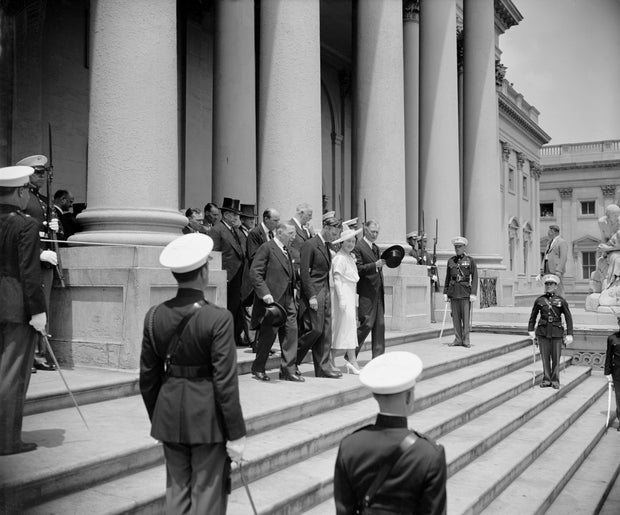
Photographs don’t just capture moments—they shape legacies. As King Charles III embarks on a state visit to the United States, the world turns to images, not just for news, but for meaning. These visual records reveal more than protocol and parades; they expose the evolving relationship between two powerful nations, the changing face of monarchy, and the quiet power of soft diplomacy. From tense Cold War handshakes to warm embraces on the White House lawn, royal visits to the U.S. have always carried symbolic weight, carefully staged and widely dissected.
This is not just about who wore what or where they stood. It’s about how photographs of British royals on American soil have influenced public perception, navigated political waters, and, at times, softened centuries of complicated history.
The First Royal Footsteps: Edward VIII and the Birth of Royal Media Diplomacy
Before televised speeches and Instagram stories, there was film. And few royal visits were as visually charged—or as politically precarious—as Edward VIII’s 1939 tour of North America.
Though he would abdicate months later, Edward’s journey through Canada and into the United States—where he met President Franklin D. Roosevelt at the White House—marked the first time a reigning British monarch visited the U.S. While technically still king, Edward was already a controversial figure. Photos from the visit show him relaxed, smiling, and oddly modern—wearing casual suits and even a hat unlike anything seen in royal portraiture before.
These images were carefully managed, not just to repair his strained reputation, but to reinforce Anglo-American unity on the brink of war. Roosevelt needed British alliance; Edward needed relevance. The photographs—published widely in Life and The New York Times—showed warmth, camaraderie, and a shared sense of purpose despite the looming crisis in Europe.
But the optics were double-edged. While many Americans welcomed the royal presence, others questioned whether a king who had flouted tradition should be granted such diplomatic access. The visual narrative, though polished, couldn’t escape the tension beneath.
Queen Elizabeth II: The Gold Standard of Royal Visits
If Edward VIII introduced the monarchy to modern media, Queen Elizabeth II perfected its use. Over her 70-year reign, she made six official state visits to the United States—each one meticulously documented and analyzed.
Her first visit in 1957, just five years into her reign, was a masterclass in image-building. Photographs show her addressing a joint session of Congress, her posture regal but approachable. She wore a pale pink gown by Norman Hartnell for a White House dinner hosted by President Dwight D. Eisenhower—images that became iconic, symbolizing postwar reconciliation and shared democratic values.
What made Elizabeth’s visits so effective was consistency. Year after year, administration after administration, she returned—not as a political player, but as a symbol of continuity. The photos tell that story: laughing with Ronald Reagan at a 1982 dinner, riding side-saddle during a 1984 parade in Virginia, or raising a glass with Bill Clinton in 1991.
Her 2007 visit, marking the 400th anniversary of Jamestown, included a moment often overlooked but deeply symbolic: she placed a wreath at the gravesite of early English settlers. The photograph—her head bowed, flanked by American military honors—spoke of roots, reflection, and reconciliation, subtly acknowledging colonial history without confrontation.
These images weren’t just ceremonial. They were diplomatic tools—soft power in high definition.
Prince Charles: From Prince of Wales to King on American Soil
:max_bytes(150000):strip_icc():focal(749x0:751x2)/king-charles-III-state-visit-of-the-president-of-the-republic-of-south-africa-112222-4-806910a78d3444cf87ef8dcb828390e0.jpg)
Long before his coronation, Charles was the most photographed royal in America. Over decades, his visits charted a personal and public evolution—and the shifting public view of the monarchy itself.
His early trips in the 1970s and 80s were formal, often tied to military commemorations or environmental causes. But by the 1990s, the images changed. Cameras followed not just his official duties, but his private pain. Photographs from his 1995 visit—just after his televised separation from Princess Diana—show a man burdened, eyes downcast, even during a reception at the British Embassy in Washington.
Yet, Charles also used visual moments to redefine himself. In 2005, he visited New Orleans after Hurricane Katrina, touring damaged homes and speaking with survivors. The photos—Charles in a collared shirt, hands clasped, listening intently—were a stark contrast to earlier, more detached portrayals. They offered a narrative of empathy, of a royal engaged with real human struggle.
His 2011 trip, alongside Duchess Camilla, was warmer. Photos from a White House dinner with President Obama showed genuine laughter and ease. Michelle Obama leaned in to speak with Camilla; Charles exchanged a knowing glance with the president. These weren’t just diplomatic smiles—they were human moments, made public.
Now, as King Charles III, his state visit carries additional weight. The photos will be scrutinized not just for protocol, but for symbolism: his health, his relationship with the American president, his place in a world that increasingly questions inherited power.
William and Harry: Brothers in the Spotlight, Diverging Paths
No royal siblings have been as photographed—or as publicly contrasted—as Princes William and Harry.
Their joint visits to the U.S. in the 2010s offered powerful visual storytelling. The 2014 trip, centered on mental health advocacy and support for wounded veterans, produced some of the most humanizing royal images in recent memory. Photos show William and Harry walking among veterans at Fort Belvoir, kneeling to speak at eye level, embracing service members. These weren’t distant royals—they were relatable, emotional, present.
But the optics began to diverge after Harry’s move to the U.S. and his 2021 interview with Oprah. While William continued official duties—visiting Boston in 2022 to promote Earthshot Prize, photographed jogging along the Charles River, engaging students—the images of Harry became more tabloid-focused: Malibu walks, Netflix events, interviews.
The contrast in photography is stark. William’s U.S. appearances are tightly controlled, mission-driven, and widely celebrated. Harry’s are more private, sometimes controversial, and often framed through the lens of exile.
Yet both brothers use imagery strategically. William projects stability; Harry projects accessibility. In a fractured media landscape, both approaches have their place—but only one fits the traditional mold of royal diplomacy.
What the Photos Reveal About Power and Perception
Royal visits are choreographed down to the minute. Every handshake, outfit, and backdrop is chosen with intent. But the most powerful images are often the unplanned ones.
Consider Queen Elizabeth II’s 2007 wave from a horse-drawn carriage in Jamestown, sunlight catching her pearl earrings. Or Prince Harry laughing freely at the Invictus Games in Orlando, crouched beside a veteran. These moments bypass formal messaging and speak directly to emotion.
Photographers on royal assignments don’t just document—they interpret. The angle of a shot, the choice of close-up over wide-angle, even the timing of the shutter click can shift public perception. A strained smile becomes “duty under pressure.” A shared laugh becomes “bonds of friendship.”
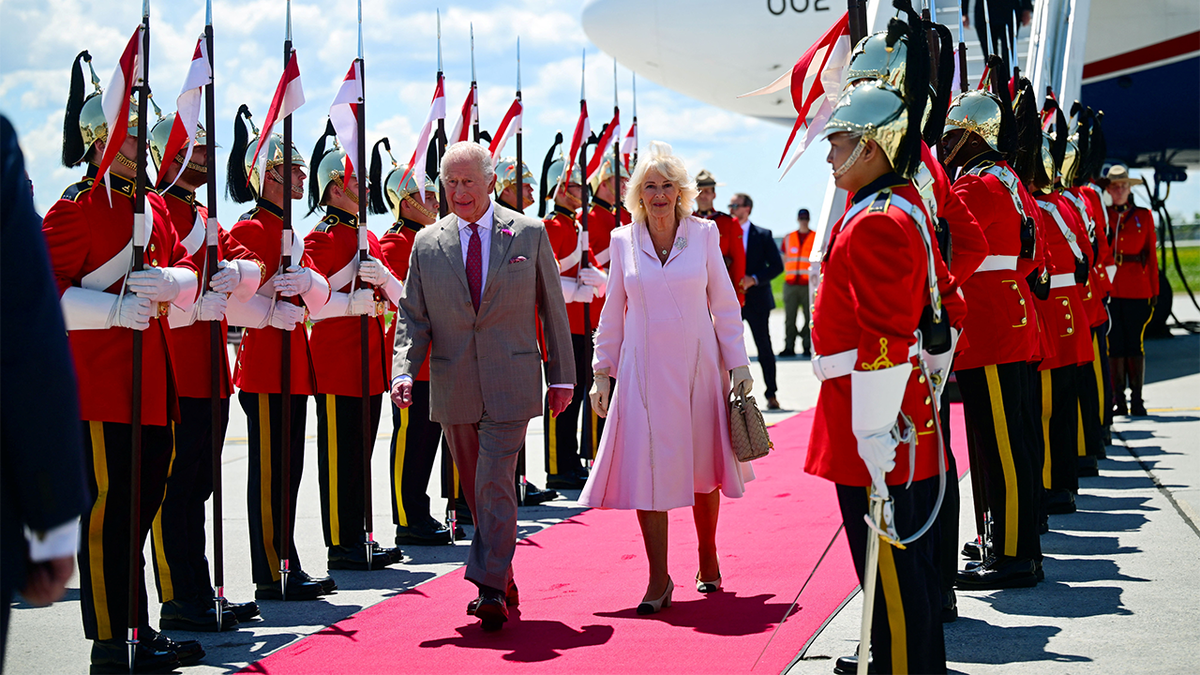
And in the age of social media, these images spread faster and mutate quicker. A photo of King Charles III pausing mid-step might be captioned as “a moment of reflection” by the BBC—or “signs of frailty” by a tabloid outlet.
This duality is now central to royal diplomacy. The British monarchy doesn’t just manage state affairs; it manages image. And in the U.S., where celebrity and politics often blend, perception can be as influential as policy.
The Charles III Era: A New Chapter in Royal-American Relations
King Charles III’s state visit arrives at a fragile moment. The U.S. is politically divided. The monarchy faces declining relevance among younger generations on both sides of the Atlantic. And social media fuels both adoration and skepticism.
Yet, the power of the photograph remains. A single image—Charles addressing Congress, walking through a community garden, or laying a wreath at Arlington—could reshape the narrative.
His visit will likely emphasize climate action, youth opportunity, and cultural heritage. Expect visuals that highlight collaboration: roundtables with young activists, visits to green tech hubs, moments with Indigenous leaders. These aren’t traditional royal stops, but they fit Charles’s lifelong advocacy.
The challenge? Making these moments feel authentic, not staged. Audiences are savvier now. They spot performative gestures. The photos must tell a story of genuine engagement—not just obligation.
And with Prince William expected to take on more U.S. duties in the coming years, this visit also sets the tone for the next generation. How Charles is photographed today could influence how William is received tomorrow.
Closing: The Enduring Power of a Single Frame
Royal visits to the United States have never been just about diplomacy. They’re about connection—crafted, yes, but still real. And in that space between formality and authenticity, photographs do the heavy lifting.
As King Charles III steps onto American soil, cameras will roll, phones will rise, and history will be framed—literally. What those images say, and how they’re received, will shape not just this visit, but the monarchy’s place in a changing world.
For those covering or consuming these moments: look beyond the smiles. Notice the posture, the eye contact, the small gestures. That’s where the real story lives.
ACTIONABLE INSIGHT: When analyzing royal visit photos, focus on three things: context (what’s happening behind the scene), composition (how subjects are positioned), and contrast (how this moment compares to past visits). That’s where insight beats clickbait.
FAQ
Why are royal visits to the U.S. so highly photographed? They symbolize the special relationship between the UK and U.S., blending history, diplomacy, and media spectacle—making them irresistible to photographers and the public.
Did Queen Elizabeth II visit the U.S. more than any other monarch? Yes. She made six state visits, more than any other British monarch, reinforcing diplomatic ties across decades and presidential administrations.
What was King Charles III’s first visit to the U.S. as monarch? His first official state visit as king began in May 2023, focusing on climate change, youth leadership, and cultural exchange.
How do royal photos influence public opinion? Images humanize figures often seen as distant. A warm handshake or empathetic expression can shift perception more than a speech.
Were there any controversial royal visits to the U.S.? Edward VIII’s 1939 visit drew criticism due to his relationship with Wallis Simpson. Harry’s post-exit appearances have also sparked debate over role and access.
Do royal family members choose their outfits for U.S. visits? Yes, with input from advisors. Outfits are symbolic—often honoring American themes or causes being highlighted during the trip.
How are photo opportunities during royal visits planned? Down to the minute. Press pools are briefed in advance, locations scouted, lighting tested, and backdrops selected for maximum impact and symbolism.
FAQ
What should you look for in Royal Visits to the US: A Photographic History as Charles III Visits? Focus on relevance, practical value, and how well the solution matches real user intent.
Is Royal Visits to the US: A Photographic History as Charles III Visits suitable for beginners? That depends on the workflow, but a clear step-by-step approach usually makes it easier to start.
How do you compare options around Royal Visits to the US: A Photographic History as Charles III Visits? Compare features, trust signals, limitations, pricing, and ease of implementation.
What mistakes should you avoid? Avoid generic choices, weak validation, and decisions based only on marketing claims.
What is the next best step? Shortlist the most relevant options, validate them quickly, and refine from real-world results.